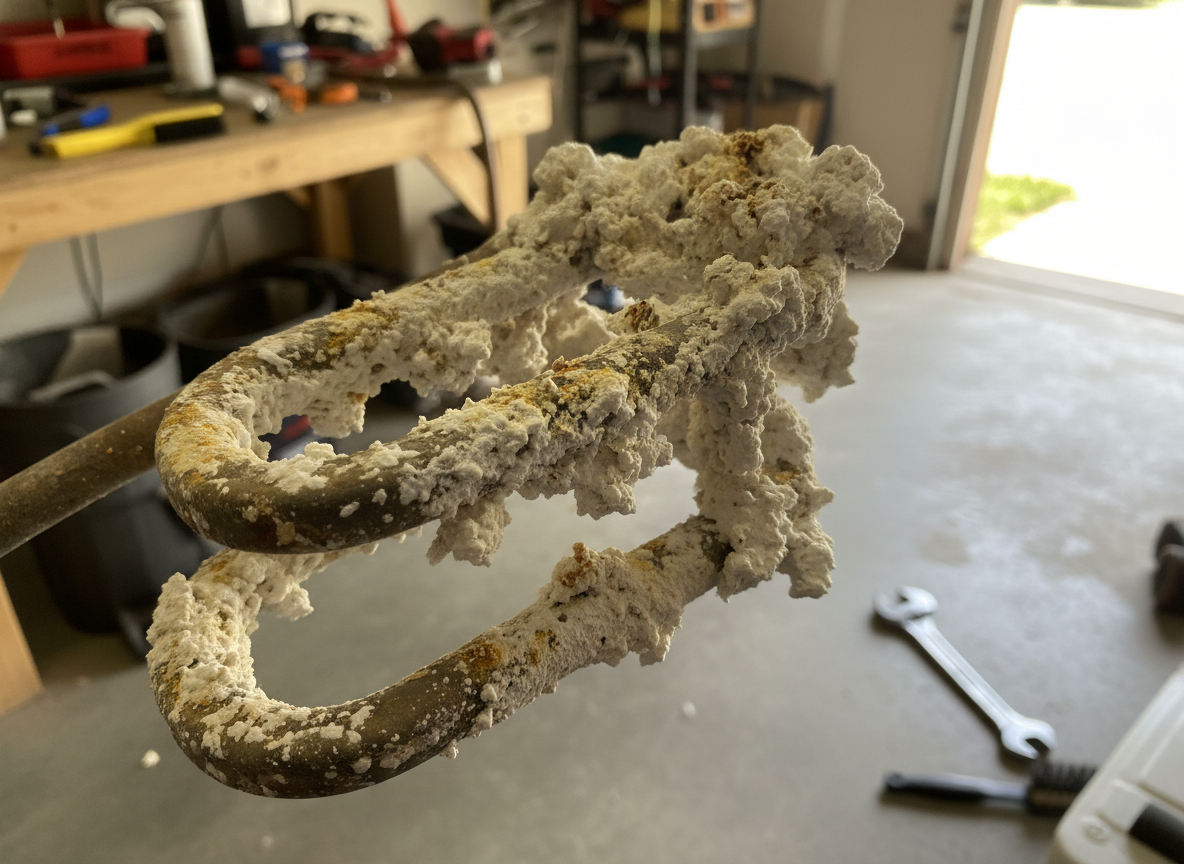
Arizona's very hard water causes rapid sediment and scale accumulation that shortens tank life, making regular anode checks part of yearly maintenance. An independent local plumber inspects the existing rod for depletion and selects aluminum-zinc or powered options when sulfur odors appear from reactions with local mineral content.
In closed systems common with PRVs on Phoenix-area homes, an expansion tank is often paired with anode work to manage pressure. Garage and attic placements expose units to extreme summer heat that accelerates corrosion, while higher-elevation towns face added freeze risks on exposed piping.
Anode Rod Types for Arizona Conditions
An independent local plumber matches rod material to water chemistry. Aluminum-zinc rods limit rotten-egg smells from sulfur bacteria, while powered anodes provide longer protection in homes with water softeners or heavy scale.
When to Schedule Replacement
Rumbling during heating or rusty water often signals a spent rod allowing tank corrosion. An independent local plumber removes the old rod through the top spud or side access and installs a new one sized to the tank model without draining the full unit in most cases.
Technician insight
In Phoenix, the thing that catches most people out with Anode Rod Replacement is attic installs where extreme summer heat plus hard water eats through a standard rod in under three years, and homeowners often overlook the fitting torque needed to avoid leaks on older tanks.
Anode Rod Replacement Services We Offer
✓Aluminum-Zinc Anode Rod Replacement
Switches out depleted rods to control sulfur odors triggered by Arizona mineral reactions while shielding the tank lining.
✓Powered Anode Rod Installation
Upgrades to an electric anode that resists rapid consumption in hard-water areas and reduces future maintenance visits.
✓Anode Rod Inspection with Flush
Checks rod condition during sediment removal to prevent scale from shortening tank life in Phoenix and surrounding valleys.
✓Anode Rod Access in Attic Installs
Handles tight attic clearances common in Arizona homes where summer heat speeds corrosion and complicates rod changes.
✓Anode Rod Upgrade for Softener Systems
Replaces standard rods with types suited to softened water that can still leave scale and odor issues in Flagstaff or Prescott homes.
How it works
- 1
Initial Assessment
An independent local plumber reviews water heater age, location and any sulfur smell or rusty water reports before accessing the anode.
- 2
Rod Removal
The old rod is extracted through the existing opening while managing sediment common to Arizona hard water supplies.
- 3
New Rod Selection and Install
A compatible aluminum-zinc or powered anode is fitted and sealed to match local water conditions and tank model.
- 4
System Check
The plumber verifies no leaks at the fitting and confirms proper operation before leaving the site.
Pricing
Pricing depends on the job and is discussed with the plumber after you call.