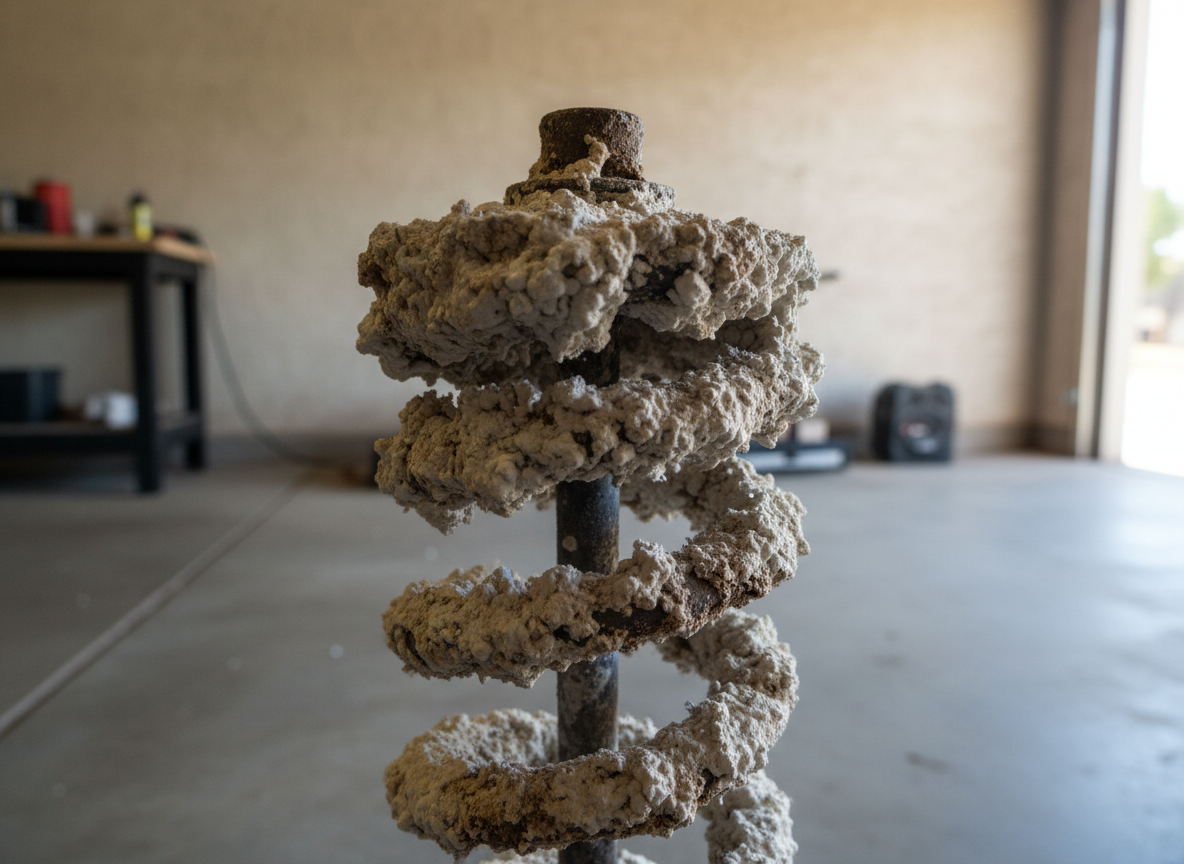
Arizona households often notice rumbling or popping sounds, rotten-egg odors, rusty water or shortened hot-water supply when sediment builds rapidly inside the tank. These symptoms point to scale accumulation, anode reaction or failing components that an independent local plumber can isolate during a site visit.
Hard water across the Phoenix metro and surrounding valleys accelerates sediment and scale formation, shortening tank life and triggering the same complaints in both gas and electric units. Garage and attic installations add heat stress in summer, while higher-elevation towns face occasional freeze risks that affect venting and piping.
Common Arizona Triggers
Yearly flushing removes loose sediment before it hardens, yet many homes skip the step and later experience short showers or tripped high-limit switches. Tankless units in the same areas need periodic descaling to clear heat-exchanger scale that produces error codes.
Diagnostic Approach
An independent local plumber checks the anode rod condition, tests the T&P valve, inspects venting and reviews any error codes before recommending repair or replacement. Expansion tanks are often added where PRVs create closed systems, a frequent Phoenix-area setup.
Technician insight
In Phoenix, the thing that catches most people out with Water Heater Troubleshooting is how quickly hard water turns a small sediment layer into a thick insulating crust inside both tank and tankless units, especially when the heater sits in a hot garage or attic.
Water Heater Troubleshooting Services We Offer
✓Rumbling and Popping Diagnosis
Sediment layers in Arizona tanks create steam pockets that produce loud rumbling; an independent local plumber drains and inspects to confirm whether flushing restores quiet operation.
✓Rotten-Egg Odor Investigation
Sulfur bacteria reacting with the anode rod creates the smell common in hard-water regions; the plumber checks rod material and water softener settings that influence the reaction.
✓Rusty Water Source Check
Corroded anode rods or internal tank rust release discolored water; the plumber identifies whether the issue stays in the heater or extends to household piping.
✓Short Hot Water Supply Evaluation
Lower elements or scaled heat exchangers limit capacity; the plumber tests components to separate sediment effects from thermostat or element failure.
✓Error Code Interpretation
Tankless and power-vent units display codes for venting, igniter or scale issues; an independent local plumber reads the code and verifies Arizona-specific venting and gas-supply conditions.
How it works
- 1
Symptom Review
The independent local plumber discusses the noises, odors, water color or error codes observed by the homeowner.
- 2
Component Inspection
The plumber examines the anode, T&P valve, burner or elements, venting and any expansion tank while noting hard-water scale.
- 3
Testing and Recommendation
Basic tests confirm whether flushing, part replacement or full replacement resolves the issue for the home's fuel type and location.
Pricing
Pricing depends on the job and is discussed with the plumber after you call.