2026-11-23 ·
How Hard Water Affects Water Heaters in Phoenix Homes
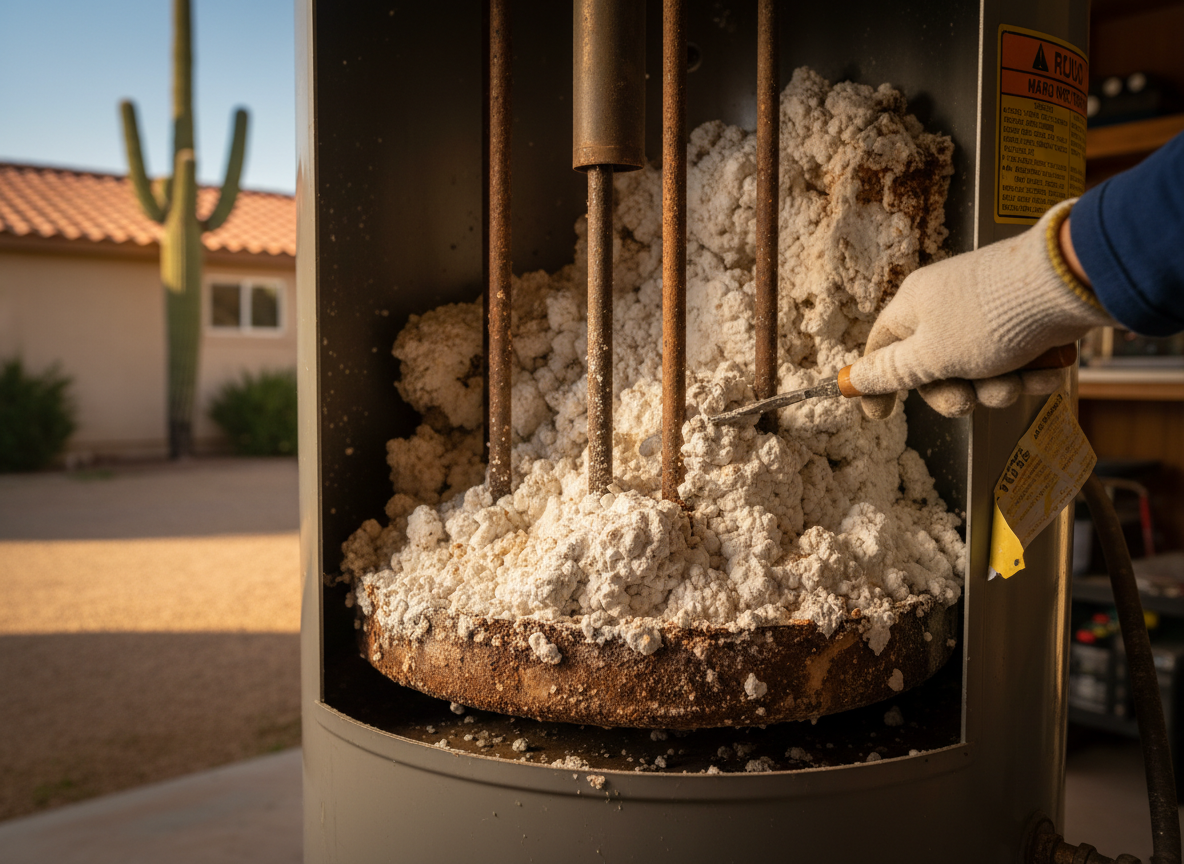
Hard water in Phoenix accelerates mineral scale buildup inside water heaters, shortening their operational life by several years compared to soft water regions and forcing more frequent service calls to independent local plumbers.
Scale Buildup in Tank-Style Units
Phoenix tap water carries high levels of calcium and magnesium that settle as sediment at the bottom of tank water heaters. Over time this layer insulates the burner or elements, so the unit must run longer to reach the same temperature. The extra heat also stresses the glass lining and anode rod, allowing corrosion to advance faster. Homeowners often notice longer recovery times and lukewarm water at distant fixtures first. Regular flushing removes loose sediment before it hardens, and an independent local plumber can perform the task through the drain valve while checking the anode rod condition at the same visit. Without this step, the tank bottom can overheat and develop leaks that require full replacement.
Impact on Tankless Models
Tankless water heaters in Phoenix homes face scale on the heat exchanger plates rather than tank floors. Even a thin mineral coating reduces heat transfer, so the unit modulates higher and may trigger error codes during peak summer demand. Descaling with a vinegar solution circulated through the system dissolves the deposits without disassembly. Scheduling this service every 12 to 18 months keeps flow rates stable and prevents the unit from shutting down on overheat protection. An independent local plumber connects the pump and solution tank to the service ports, then verifies proper operation afterward.
Efficiency Loss and Early Failure
Mineral insulation forces both gas and electric water heaters to consume more energy to deliver the same volume of hot water. In Phoenix summers the added runtime compounds when incoming water is already warm, yet the scale layer still prevents rapid heat transfer. Over several seasons the cumulative stress cracks welds or warps elements, prompting calls for water heater repair. Linking temperature checks with maintenance visits helps; keeping the thermostat at 120 degrees reduces the rate of scale formation while still meeting household needs. The related article on checking water heater temperature settings before Phoenix summer explains the adjustment process in more detail.
Maintenance Steps for Local Homes
Homeowners can reduce hard-water damage by flushing the tank twice a year and scheduling tankless descaling on the same interval. Watching for rusty water, popping sounds, or fluctuating temperatures signals that scale has already accumulated. When these signs appear, contacting an independent local plumber through the referral service allows inspection of the anode rod, pressure relief valve, and expansion tank before problems worsen. The water heater maintenance page outlines the full checklist used during these visits. Consistent attention prevents the unit from failing during the winter months when elevated homes in surrounding areas also face freeze protection concerns.